Light Stalking Illuminating Your Passion
- Drone Photography Tips: Better Composition, Lighting and Angles
 by Jason Row on October 20, 2026 at 1:35 am
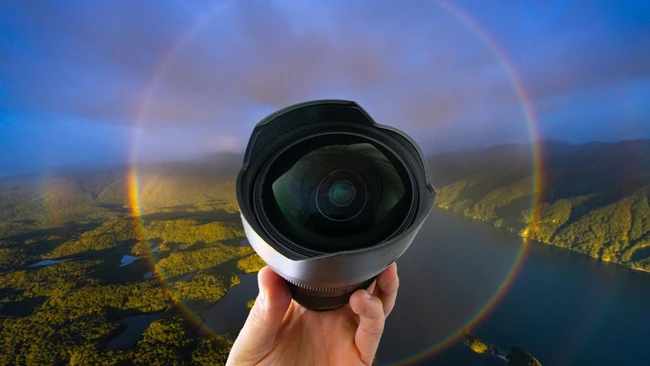
There's a common myth in drone photography where users will assume that getting the drone higher automatically produces better photos. And it's easy to send a drone 100 meters into the air, admire the spectacular view and then come back with some surprisingly plain or boring images. But it's exactly at this point that drone The post Drone Photography Tips: Better Composition, Lighting and Angles appeared first on Light Stalking.
- September 2026 Photo Contest Winners: Decisive Momentsby Rob Wood (Admin) on October 15, 2026 at 12:00 pm
September's photo competition had submissions ranging from sports, to wildlife, street and simple backyard moments. When choosing the winning photos, we wanted to make sure that the decision process was based on a good interpretation of the theme, followed by other factors like light, composition, story, details, creative vision, etc. First Place: “Clear” by Stefanie Markham The post September 2026 Photo Contest Winners: Decisive Moments appeared first on Light Stalking.
- Getty Images Bankrupt!by Rob Wood (Admin) on October 13, 2026 at 3:15 am
In staggering news from several sources, the famous Getty Images is applying for Chapter 11 bankruptcy and planning to go private. As a private company, Getty will be controlled by the Getty family affiliates as well as Koch Equity Development and will also be backed by $533 million in new equity. This comes after its The post Getty Images Bankrupt! appeared first on Light Stalking.
- Dynamics of Colour Photo Contest Winnersby Rob Wood (Admin) on September 25, 2026 at 3:07 am
One of the interesting things about the entries in this month's colour theme of “the dynamics of colour” is that so many of the strongest entries chose to use a single colour to draw the reader's interest and I think that says something quite powerful about the use of colour in photography. Simply splashing colour The post Dynamics of Colour Photo Contest Winners appeared first on Light Stalking.
- Turning Woe Back To Wow in Photographyby Jason Row on September 22, 2026 at 10:08 am
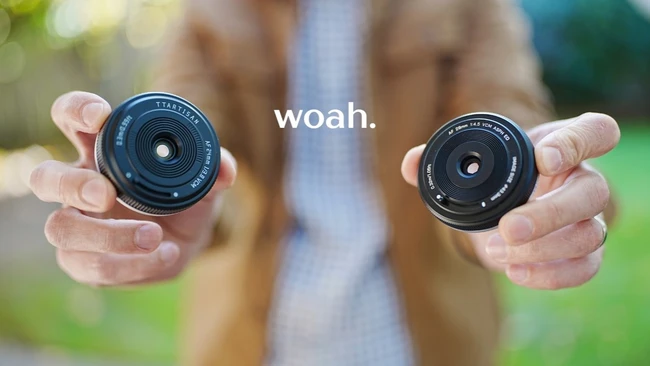
I have often said that there are six stages to a photographer’s life. The very first is wow, that moment when you realise that photography is for you, something that is going to consume you for many years to come. The second stage is woe. That’s the defining moment when you realise that there is The post Turning Woe Back To Wow in Photography appeared first on Light Stalking.
- Meta Sued Over Using People’s Photos for AI and Facial Recognitionby Rob Wood (Admin) on September 14, 2026 at 1:58 am
There's a new proposed class action lawsuit against Meta that alleges they harvested Facebook and Instagram photographs for biometric information that was used to train image generation models and develop an, as yet, unreleased facial recognition feature called Nametag for smart glasses. Meta says that the lawsuit has misrepresented the situation and notes that Nametag The post Meta Sued Over Using People’s Photos for AI and Facial Recognition appeared first on Light Stalking.