Fstoppers
Photography News and Community for Creative Professionals
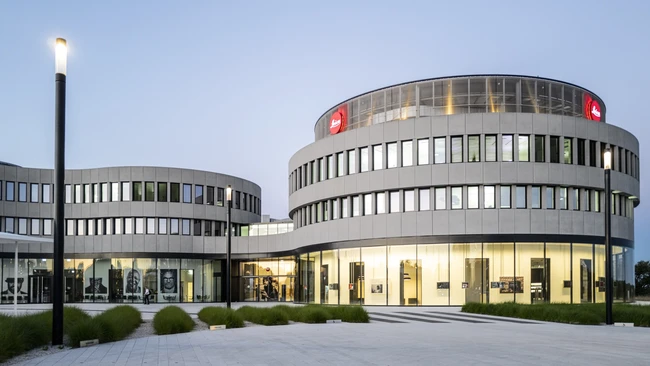
On February 17, 2005, Leica Camera AG issued a Verlustanzeige, the notice German stock law requires once a company has lost half its share capital and has to say so to its shareholders. Four days later, it told the market that its banks had partially canceled its credit lines. The fiscal year closed at the end of March on group sales of €92.1 million and a consolidated loss of €18.1 million.
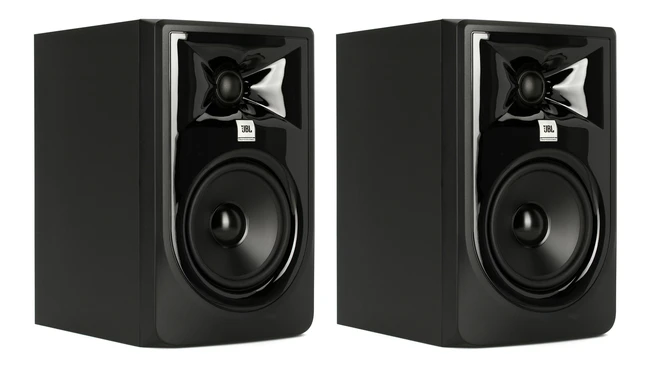
The JBL 305P MkII is down to $99 per speaker, 41% off its $169 list price, and it's the studio monitor I ended up recommending as the best speaker for the money after testing six of them on my desk.
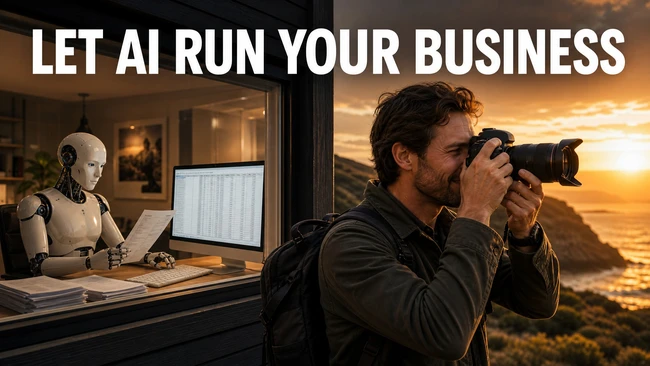
For the last few months, I've been doing something that has completely changed how I run my businesses. I set up agentic AI to handle the parts of business I've always hated: email, bills, bookkeeping, taxes, client follow-ups and advertising. It watches everything, it never forgets anything, and when it needs me, it asks a quick question and I tap an answer.
I'm turning that system into software that I'll be selling, but before it launches, I'm giving it away 100% free to a small group of beta testers.
You have decided to transition from DSLR to mirrorless, and that should feel exciting, with a whole new way of shooting waiting for you. Changing systems does mean planning around the cost, but you may already own more of the funding than you realize. The DSLR kit sitting in your bag can pay for a good part of the switch, and how you sell it decides how smooth the whole process feels.
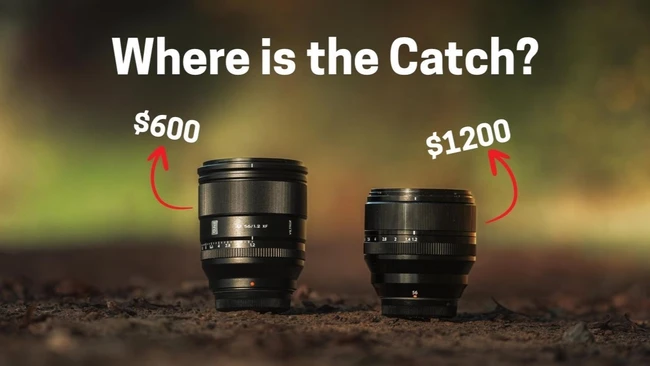
If you shoot Fujifilm and want the classic 85mm-equivalent portrait look at f/1.2, you have two serious, fully weather-sealed choices, and at B&H, one costs about half as much as the other. The Fujifilm XF 56mm f/1.2 R WR and the Viltrox AF 56mm f/1.2 Pro cover one of the most-used focal lengths in the system, and the gaps between them are smaller and odder than a spec sheet suggests.
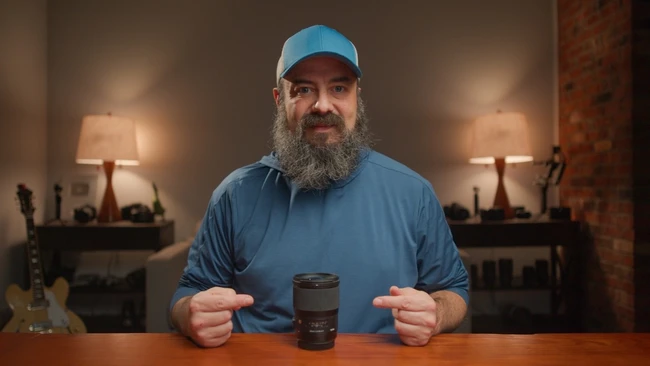
A 28mm lens sits in an awkward spot between the 24mm and 35mm primes most people already own, and that in-between position is what makes it useful when you film yourself in a small room. If you record talking-head videos, tutorials, or product demos in a spare bedroom or home office, your focal length decides how much of the room shows up, how your face is rendered, and how close the camera has to sit to you.