Fstoppers
Photography News and Community for Creative Professionals
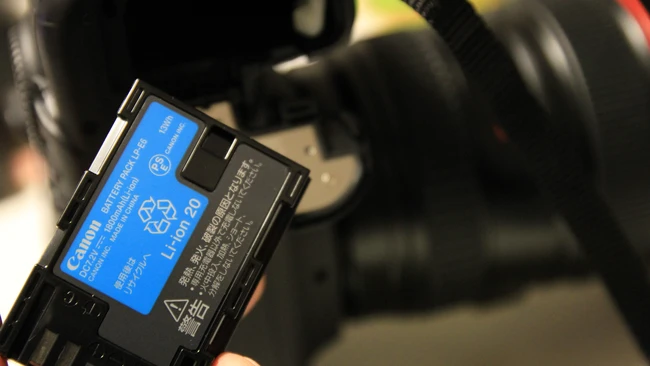
Buy a Canon EOS R7 this afternoon, and the manual will tell you that you can register up to six LP-E6P, LP-E6NH, LP-E6N, or LP-E6 battery packs to it. That last one is the cell Canon put on sale in the EOS 5D Mark II in November 2008, nearly ten years before the RF mount existed. A battery bought for a DSLR still runs a mirrorless camera you can order new today, and that continuity almost never appears as a line in a camera review.
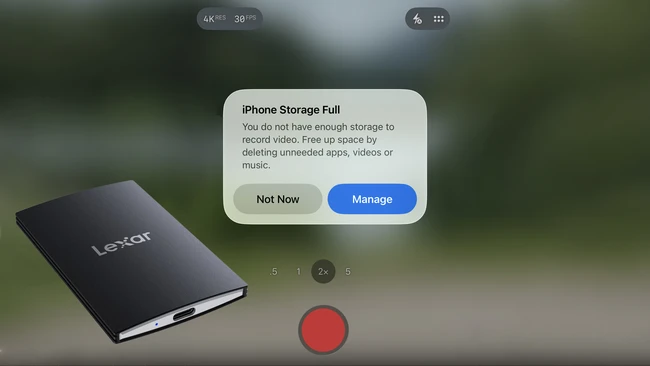
Phone-based content creation has moved well past quick behind-the-scenes clips. Photographers are now shooting more polished promo videos with their phones on a regular basis. That workflow shift changes what your phone needs to be capable of, and internal storage and speed are usually the first barriers. A high-quality portable SSD is worth investing in to help your phone keep up with demands.
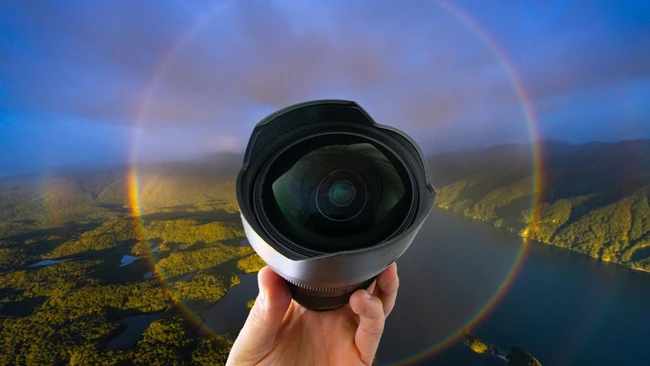
An ultra-wide lens can make a landscape feel like you're standing inside it, or it can shrink a dramatic scene into a flat strip of distant shapes. The difference usually comes down to where you put your feet and how you aim the camera, which makes it one of the hardest lenses to use well and one of the most rewarding once you get the hang of it.
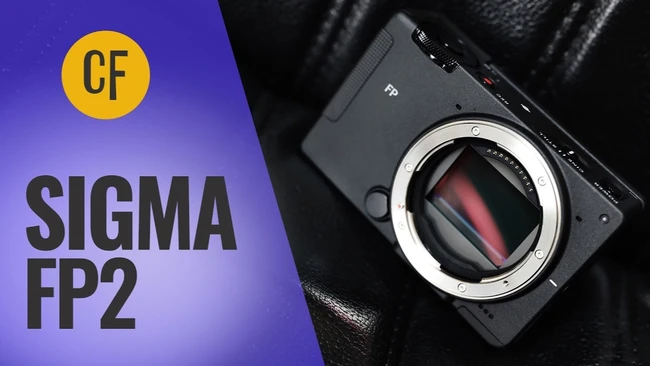
At $2,199 for the body alone, plus roughly $500 more if you want the optional electronic viewfinder, the Sigma fp II asks a lot for a camera with no mechanical shutter and no in-body stabilization. Sigma bills it as the world's smallest full frame camera, and if you carry a camera all day through crowded streets or up a mountainside, that size decides how often the camera leaves the bag at all.
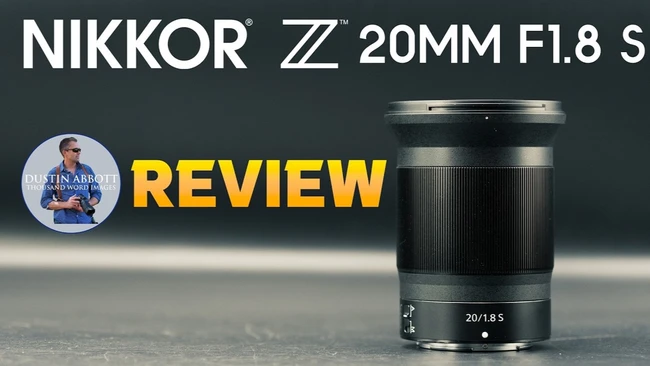
Nikon's NIKKOR Z 20mm f/1.8 S is the biggest, heaviest, and most expensive lens in a series that was supposed to be the lighter, more affordable side of the S-line. Six years after its release, it still has almost no native autofocus competition at 20mm and f/1.8 on Z mount, so how it performs today decides whether you get a bright ultra-wide prime at all without reaching for an adapter.
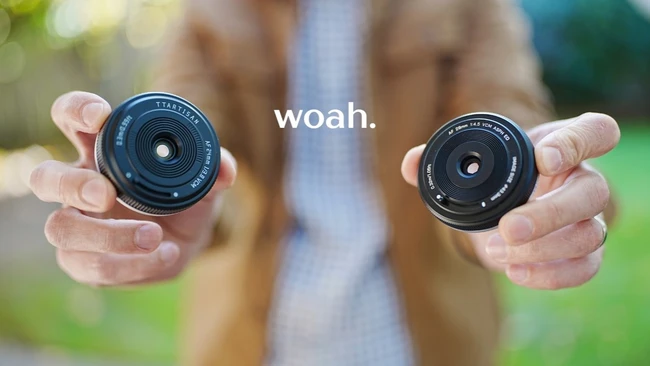
Viltrox's 28mm "Chip" showed that an autofocus lens barely thicker than a body cap could make a full frame camera feel close to pocketable, and now TTArtisan has a $99 lens that follows the same design almost line for line. With matching prices, nearly identical dimensions, and the same sliding front cover, the TTArtisan 24mm f/3.8 Mini AF has to earn its place through image quality and handling, since it can't stand out on looks.