Fstoppers
Photography News and Community for Creative Professionals
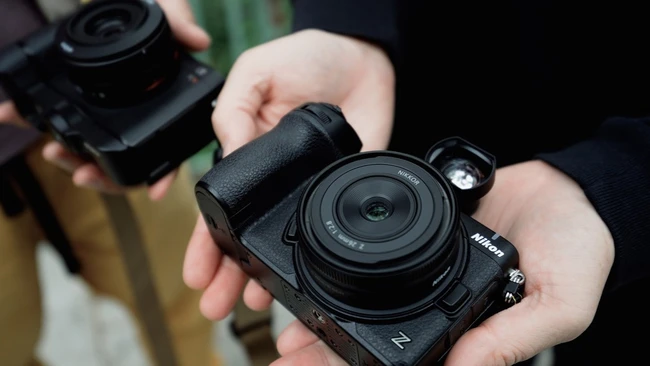
The Nikon Z5IIC puts a full frame sensor, in-body stabilization, and raw video into a $1,400 body by dropping the viewfinder, and people argued about that choice before most of them had held one. If you shoot weddings or travel, or if you're weighing a second body, the useful question is how that missing eyepiece and a pricier compact Sony rival play out over a real day of shooting.
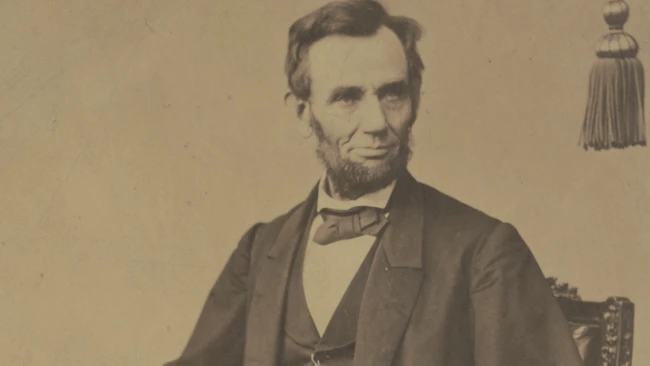
The National Archives still lists the negative as "Crowd of citizens, soldiers, and etc. with Abraham Lincoln at Gettysburg." Everything before the president's name is the label the plate wore in federal storage for most of a century. The rest is there because Josephine Cobb enlarged a broken piece of glass about 20 times in 1952 and found him in it.
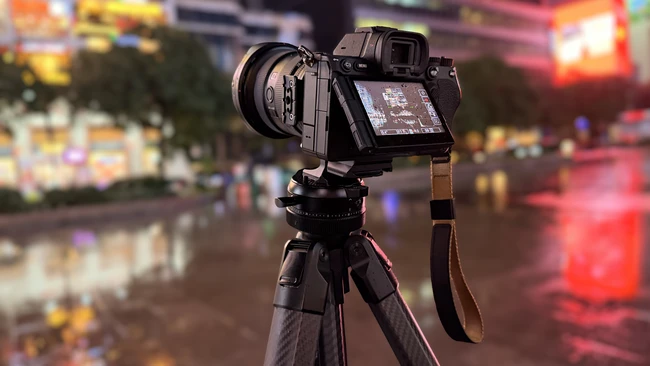
Peak Design's Travel Tripod is probably one of the most talked-about tripods on this site, and opinions have been polarized. Since the brand has expanded its tripod lineup with three new Pro models, it's clearly important that we see their differences and optimal use cases.
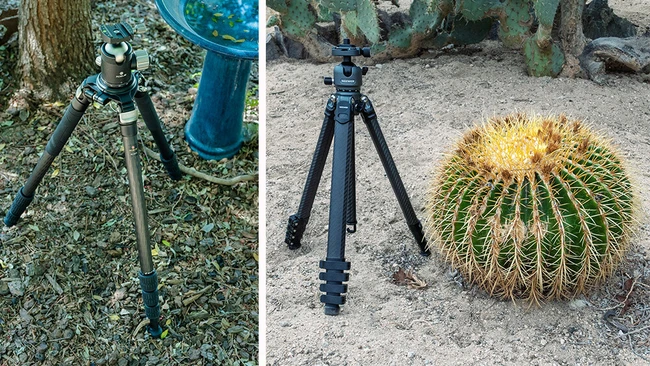
You've noticed that tripods come with two basic kinds of locks: twist locks and lever locks. They're quite different. Which should you purchase? I'll tell you my experiences and observations.
Twist Locks
The Robus RC-5570 has high-quality twist locks.
I generally like twist locks, or collar locks, but I feel that you have to really go out of your way to make sure that they are locked down because occasionally, if you are not careful, they can slip.
Ask a room full of people to name the best portrait lens, and most will point to something like the Canon RF 85mm f/1.2L USM, with its reputation for sharpness, flattering perspective on faces, and heavy background blur. If you're about to spend serious money on portrait glass, ask whether that reputation fits the rooms you work in and the apertures you actually use.
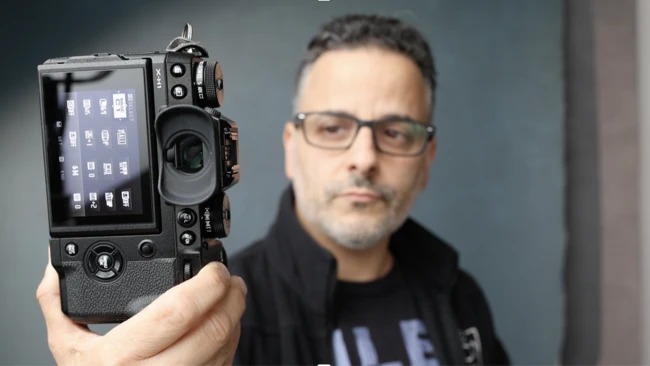
Any modern digital camera has thousands of settings and more features than most individual photographers will ever use. But there are some settings that photographers of all genres can benefit from using. One of the most overused terms in photography is "game-changing." It seems like every time a new piece of gear is announced, whether it's a camera, lens, strobe, modifier, tripod, or lens cloth, someone is out there to tell you why you need it and why it's going to revolutionize your photography. Spoiler alert—it's not! And you probably already know that.